

Methylation of Histone H3 at Lys9 (K9) is an epigenetic silencer of transcription. Gene silencing from histone post translational modifications, as well as DNA methylation, play a key role in the development of normal tissues. If this silencing is disturbed through the artificial silencing of RIZ1, and thereby H3 K9Me1, it has been shown that normal apoptotic processes in precancerous cells can be reduced. Interestingly, data indicates that the conversion of the monomethyl to the trimethyl form requires mediation by SUVR4 in transposons and pseudogenes. Research also indicates that the presence of the G9a/GLP heterodimeric complex is required for this modification to exist. The additional phosphorylation at Thr6 (T6p) affects the ability of other proteins to bind to the H3 tail, along with amplifing the effects of other histone PTMs that are present. Because T6 phosphorylation is constitutive, its dephosphorylation may play a key role in DNA transcription, repair and replication.
H3T6pK9me1 Antibody

Polyclonal antibody raised in rabbit against Histone H3 (p Thr6, monomethyl Lys9), using a KLH-conjugated synthetic peptide.
| Lot | 001 |
|---|---|
| Concentration | 0.85 μg/μl |
| Species reactivity | Human, mouse, C. elegans, rat, chicken, Xenopus, Drosophila, plant |
| Type | Polyclonal |
| Purity | Affinity purified |
| Host | Rabbit |
| Precautions | This product is for research use only. Not for use in diagnostic or therapeutic procedures. |
| Applications | Suggested dilution | References |
|---|---|---|
| ChIP | 2-5 μg/million cells | Fig 1 |
| Immunohistochemistry | 1:200 | |
| Immunofluorescence | 1:100 | Fig 2 |
| Western Blotting | 1:500 - 1:1,000 | Fig 3, 4, 5 |
| Dot Blotting | 1:1,000 | Fig 6 |
- Validation Data
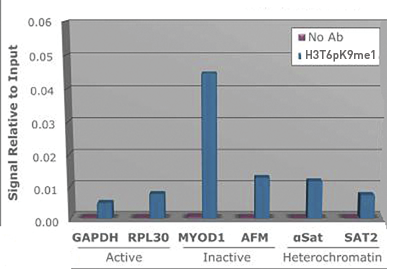
Figure 1. H3T6pK9me1 antibody ChIP results
Chromatin Immunoprecipitation of H3T6pK9me1 antibody. Chromatin from one million formaldehyde cross-linked Hela cells was used with 2ug of H3T6pK9me1 and 20ul of magnetic IgG beads per immunoprecipitation. A no antibody (No Ab) control was also used. Immunoprecipitated DNA was quantified using quantitative real-time PCR and normalized to the input chromatin.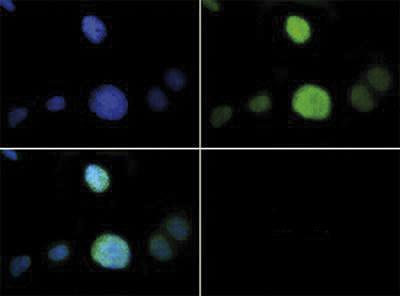
Figure 2. H3T6pK9me1 antibody Immunofluorescence results
Immunofluorescence of H3T6pK9me1 antibody. Tissue: HeLa cells. Fixation: 0.5% PFA. Primary antibody: incubated at a 1:100 dilution for 1 h at RT. Secondary antibody: FITC secondary antibody at 1:10,000 for 45 min at RT. Localization: H3T6pK9me1 is nuclear and chromosomal. Staining: H3T6pK9me1 is expressed in green and the nuclei are counterstained with DAPI (blue).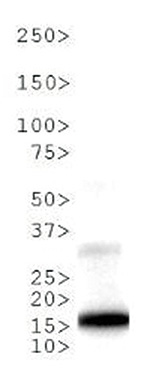
Figure 3. H3T6pK9me1 antibody Western blot results
Western Blot of H3T6pK9me1 antibody. 30 μg NIH-3T3 Histone extracts. Primary antibody diluted 1:1,000 overnight at 4°C. Secondary antibody: IRDye800TM rabbit secondary antibody at 1:10,000 for 45 min at RT. Predicted/Observed size: ~15 kDa. Other band(s): None.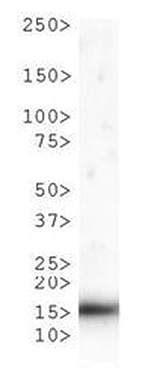
Figure 4. H3T6pK9me1 antibody Western blot results
Western Blot of H3T6pK9me1 antibody. 30 μg C. elegans embryo lysate. Primary antibody diluted 1:1,000 overnight at 4°C. Secondary antibody: IRDye800TM rabbit secondary antibody at 1:10,000 for 45 min at RT. Predicted/Observed size: ~15 kDa. Other band(s): None.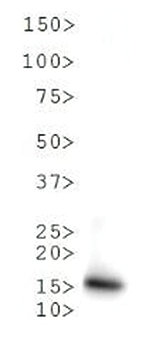
Figure 5. H3T6pK9me1 antibody Western blot results
Western Blot of H3T6pK9me1 antibody. 30 μg HeLa Histone extracts. Primary antibody diluted 1:1,000 overnight at 4°C. Secondary antibody: IRDye800TM rabbit secondary antibody at 1:10,000 for 45 min at RT. Predicted/Observed size: ~15 kDa. Other band(s): None.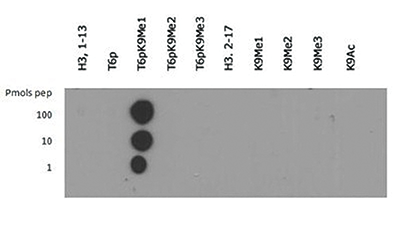
Figure 6. H3T6pK9me1 antibody Dot blot results
Dot Blot of H3T6pK9me1 antibody. Lane 1: Histone H3 1-13. Lane 2: T6p. Lane 3: T6pK9Me1. Lane 4: T6pK9Me2. Lane 5: T6pK9Me3. Lane 6: Histone H3 2-17. Lane 7: K9Me1. Lane 8: K9Me2. Lane 9: K9Me3. Lane 10: K9Ac. Load: 1, 10, and 100 picomoles of peptide. Primary antibody diluted 1:1,000 for 45 min at 4°C. Secondary antibody: DylightTM488 rabbit secondary antibody at 1:10,000 for 45 min at RT. - Publications

How to properly cite our product/service in your work
We strongly recommend using this: H3T6pK9me1 Antibody (Hologic Diagenode Cat# C15410283 Lot# 001). Click here to copy to clipboard.
Using our products or services in your publication? Let us know!