

HDAC3 (UniProt/Swiss-Prot entry O15379) catalyses the deacetylation of lysine residues on the N-terminal part of the core histones (H2A, H2B, H3 and H4) and on some other non-histone substrates. Acetylation and deacetylation of these highly conserved lysine residues is important for the control of gene expression. When tethered to a promoter, HDAC3 represses transcription and therefore plays an important role in transcriptional regulation, cell cycle progression and developmental events. HDAC3 probably participates in the regulation of transcription through its binding to the YY1 transcription factor, increasing YY1 repression. HDAC3 also downregulates p53 and is considered a potential tumor suppressor gene.
HDAC3 Antibody - ChIP-seq Grade

Other names: HD3, RPD3, RPD3-2, SMAP45
Polyclonal antibody raised in rabbit against human HDAC3 (Histone deacetylase 3), using two KLH-conjugated synthetic peptides from the central and the C-terminal part of the protein, respectively.
| Lot | A2633-0040 |
|---|---|
| Concentration | 1.7 µg/µl |
| Species reactivity | Human: positive. Other species: not tested. |
| Type | Polyclonal, ChIP grade, ChIP-seq grade |
| Purity | Affinity purified polyclonal antibody. |
| Host | Rabbit |
| Storage Conditions | Store at -20°C; for long storage, store at -80°C. Avoid multiple freeze-thaw cycles. |
| Storage Buffer | PBS containing 0.05% azide. |
| Precautions | This product is for research use only. Not for use in diagnostic or therapeutic procedures. |
| Applications | Suggested dilution | References |
|---|---|---|
| ChIP/ChIP-seq * | 2 µg/ChIP | Fig 1, 2 |
| ELISA | 1:10,000 | Fig 3 |
| Western Blotting | Not recommended |
* Please note that the optimal antibody amount per IP should be determined by the end-user. We recommend testing 1-5 µg per IP.
- Validation data
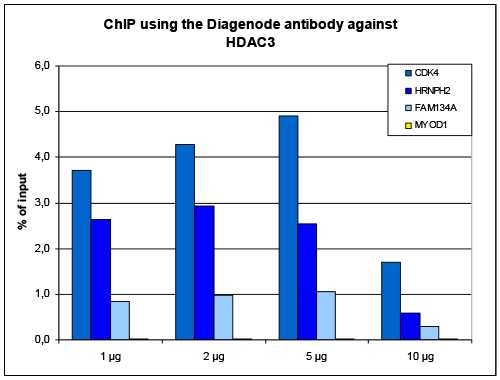
Figure 1. ChIP results obtained with the Diagenode antibody directed against HDAC3
ChIP was performed with the Diagenode antibody against HDAC3 (Cat. No. C15410364) on sheared chromatin from 4,000,000 HeLa cells with the iDeal ChIP-seq kit for TF’s. An antibody titration consisting of 1, 2, 5 and 10 µg per ChIP experiment was analysed. IgG (2 µg/IP) was used as negative IP control. QPCR was performed with primers specific for the CDK4, FAM134A and HNRNPH2 promoters, used as positive controls, and for the MYOD1 gene, used as negative control. Figure 1 shows the recovery, expressed as a % of input (the relative amount of immunoprecipitated DNA compared to input DNA after qPCR analysis).A.

B.
C.
D.
E.
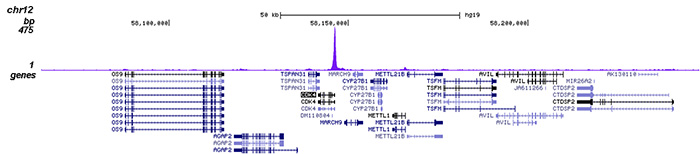
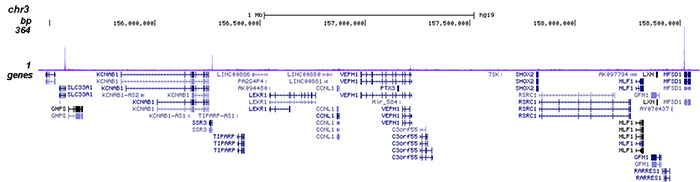
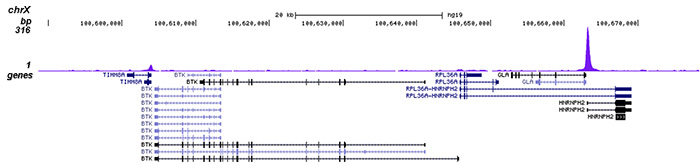
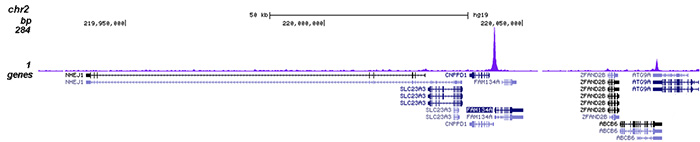
Figure 2. ChIP-seq results obtained with the Diagenode antibody directed against HDAC3
ChIP was performed on sheared chromatin from 4,000,000 HeLa cells using 2 µg of the Diagenode antibody against HDAC3 (Cat. No. C15410364) as described above. The IP'd DNA was subsequently analysed on an Illumina HiSeq 4000. Library preparation, cluster generation and sequencing were performed according to the manufacturer's instructions. The 50 bp tags were aligned to the human genome using the BWA algorithm. Figure 2 shows the peak distribution along the complete sequence and a 3 Mb region of chromosome 3 (figure 2A and B) and in three genomic regions surrounding the CDK4, FAM134A and HNRNPH2 positive control genes, respectively (figure 2C, D and E).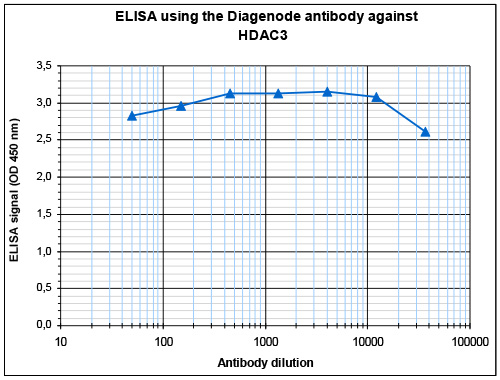
Figure 3. Determination of the antibody titer
To determine the titer of the antibody, an ELISA was performed using a serial dilution of Diagenode antibody directed against HDAC3 (Cat. No. C15410364). The plates were coated with the peptides used for immunization of the rabbit. By plotting the absorbance against the antibody dilution (Figure 3), the titer of the antibody was estimated to be 1:450,000. - 出版物

How to properly cite our product/service in your work
We strongly recommend using this: HDAC3 Antibody - ChIP-seq Grade (Hologic Diagenode Cat# C15410364 Lot# A2633-0040). Click here to copy to clipboard.
Using our products or services in your publication? Let us know!